
"Latin America coffee origins"
400 article(s) found
Introduction to the Variety characteristics of Santa Rita Coffee Bean Flavor treatment in Colombia
Colombia Santa Rita Manor Coffee Flavor description Colombia is one of the largest producers of high-quality coffee in the world, a bright pearl in the world coffee map, and a blessed place for coffee. Arabica coffee is grown on steep slopes 800 to 1900 meters above sea level and is hand-picked and washed. [Santa Rita, Colombia] (depth of washing

Latin American coffee bean characteristics Latin American coffee flavor Latin American coffee theme
Latin America (Latin America) in 1721 French naval officer de Klee (Gabriel Mathieu de Clieu) experienced difficulties and obstacles to bring the first coffee sapling from Africa to the Latin American island of Martinique, which was the origin of coffee cultivation in Latin America. Because at that time, France was under the reign of the Bourbon dynasty, and what was grown in Latin America

Latin American coffee bean characteristics Latin American coffee flavor Latin American coffee theme
Latin America (Latin America) in 1721 French naval officer de Klee (Gabriel Mathieu de Clieu) experienced difficulties and obstacles to bring the first coffee sapling from Africa to the Latin American island of Martinique, which was the origin of coffee cultivation in Latin America. Because at that time, France was under the reign of the Bourbon dynasty, and what was grown in Latin America

The characteristics and flavor of Latin American coffee beans introduce how to process Latin American coffee beans.
Professional coffee knowledge exchange more coffee bean information please follow the coffee workshop (Wechat official account cafe_style) South American bean flavor: generally speaking, the flavor is relatively regular. The Brazilian coffee is mellow and full-bodied, while the Costa Rican coffee is gentle and supple, with a blend of sour, sweet and chocolate aromas. Panamanian coffee is rich in citrus and jasmine.

Description of Flavor in Coffee Bean producing areas in Latin America introduction to Variety treatment of planting Environment
Description of the Flavor of Coffee beans in Latin America Flavor description of planting Environment Variety treatment method Brazil's coffee, banana and cassava output ranks first in the world, soybean output ranks second in the world, and cocoa output ranks third in the world. A large number of high-quality beef and mutton produced in Argentina are famous in the world. The inland rivers of Latin America are rich in freshwater fish, with more than 2500 and 3000 species. The coasts of Peru and Chile
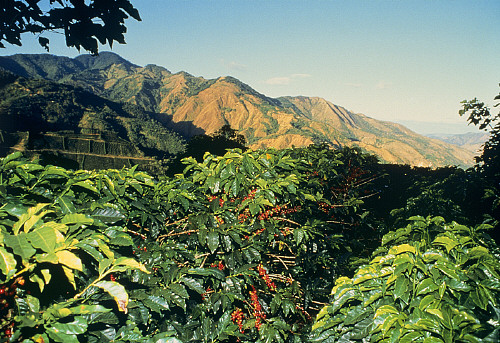
Introduction of boutique coffee producing area in Latin America
Latin America (Latin America) in 1721 French naval officer de Klee (Gabriel Mathieu de Clieu) experienced difficulties and obstacles to bring the first coffee sapling from Africa to the Latin American island of Martinique, which was the origin of coffee cultivation in Latin America. Because at that time, France was under the reign of the Bourbon dynasty, and what was grown in Latin America

The protagonist of the coffee myth in Latin America, Central America and the Caribbean
When it comes to Jamaica, we immediately think of "Blue Mountain" coffee. Rare and expensive true blue mountain beans, originally from the Wallensford Coffee Garden, have now been expanded to the Blue Mountains with an altitude of more than 1000 meters. As long as the tree species and treatment procedures of the manor meet certain standards, the government will issue a guarantee to allow the use of the name "Blue Mountain".

The protagonist of the coffee myth in Latin America, Central America and the Caribbean
When it comes to Jamaica, we immediately think of "Blue Mountain" coffee. Rare and expensive true blue mountain beans, originally from the Wallensford Coffee Garden, have now been expanded to the Blue Mountains with an altitude of more than 1000 meters. As long as the tree species and treatment procedures of the manor meet certain standards, the government will issue a guarantee to allow the use of the name "Blue Mountain".

The story of coffee beans in Starbucks Parker Market introduces the story and characteristics of coffee flavor in Latin America.
Professional coffee knowledge exchange more coffee bean information please follow the coffee workshop (Wechat official account cafe_style) coffee bean matching knowledge Italian coffee bean formula sharing several friends and I in addition to our usual love to drink coffee also has a slight amount of business demand, we drink is to find our own reputation of home-baked boutique coffee beans, pick the place of origin also choose roast

Introduction to the Regional treatment method of Santa Rita Coffee Bean in Colombia
Columbia Santa Rita Coffee Bean Flavor characteristics Manor area treatment method for growing coffee also requires daylight and proper shade, which is most suitable for planting on fertile soil or volcanic ash soil. Therefore, the origin of coffee is widely distributed in South America, Central America, the West Indies, Asia, Africa, Arabia, the South Pacific and Oceania. Such as Ethiopia and Tanzania in Africa
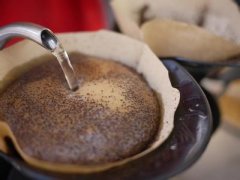
Coffee Common sense Latin American (Latin America) Coffee and roasting
In 1721, French naval officer Gabriel Mathieu de Clieu went through difficulties and obstacles to bring the first coffee sapling from Africa to the Latin American island of Martinique, which was the origin of coffee cultivation in Latin America. Because France was under the Bourbon dynasty at that time, there was another time for Arabica coffee grown in Latin America.

The difference between African Asia-Pacific Latin American Coffee how to drink Latin American Coffee
Professional Coffee knowledge Exchange more information on coffee beans Please follow the coffee workshop (Wechat official account cafe_style) about the sixth century AD, an Arab shepherd named Kaldi secretly observed the goats while grazing and found that they had eaten the red fruit of a wild shrub under the hillside and became extremely excited. The curious Caldy picked the fruit himself and found it muddy after tasting it.

Characteristics of Latin American coffee beans regional varieties produced by grinding scale treatment
The characteristics of Latin American coffee beans grinding scale to deal with the largest coffee producer, various grades and types of coffee account for 1/3 of the global consumption of coffee, accounting for a place in the global coffee market. Although Brazil faces several times higher natural disasters than other regions, it has enough acreage to make up for it. There are many kinds of coffee here.
Description of characteristics and Flavor of Coffee beans in Latin America introduction to Variety treatment in Manor production area
Description of the characteristics and flavor of coffee beans in Latin America the method of variety treatment in the manor producing area introduces that this largest coffee producer, with all grades and types of coffee accounting for 1/3 of the global consumption, occupies a place in the global coffee market. Although Brazil faces natural disasters several times higher than other regions, it has enough acreage to make up for it. The kind of coffee here
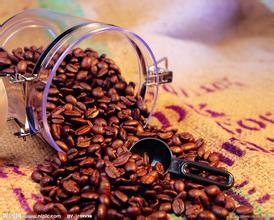
Description of characteristics and flavor of Latin American coffee beans grinding scale variety producing area
Latin American coffee bean characteristic flavor description grinding scale variety producing area there are three main treatment methods of Brazilian manor coffee beans: 1, water washing treatment 2, dry / natural treatment 3, mucous membrane natural fermentation treatment is generally typical, washed coffee beans have the brightest and clearest taste of all Brazilian coffee beans and have the most unique acidity, while the top-grade coffee beans have the brightest and clearest taste and the most unique acidity

Characteristics of Latin American coffee beans Latin American coffee flavor
Latin America (Latin America) in 1721 French naval officer de Klee (Gabriel Mathieu de Clieu) experienced difficulties and obstacles to bring the first coffee sapling from Africa to the Latin American island of Martinique, which was the origin of coffee cultivation in Latin America. Because at that time, France was under the reign of the Bourbon dynasty, and what was grown in Latin America

Characteristics of Latin American coffee beans Latin American coffee flavor
Latin America (Latin America) in 1721 French naval officer de Klee (Gabriel Mathieu de Clieu) experienced difficulties and obstacles to bring the first coffee sapling from Africa to the Latin American island of Martinique, which was the origin of coffee cultivation in Latin America. Because at that time, France was under the reign of the Bourbon dynasty, and what was grown in Latin America
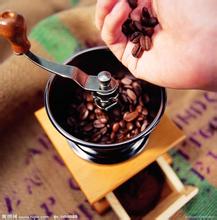
Characteristics of Latin American coffee beans Latin American coffee flavor
Latin America (Latin America) in 1721 French naval officer de Klee (Gabriel Mathieu de Clieu) experienced difficulties and obstacles to bring the first coffee sapling from Africa to the Latin American island of Martinique, which was the origin of coffee cultivation in Latin America. Because at that time, France was under the reign of the Bourbon dynasty, and what was grown in Latin America

Characteristics of Latin American coffee beans Latin American coffee flavor
Latin America (Latin America) in 1721 French naval officer de Klee (Gabriel Mathieu de Clieu) experienced difficulties and obstacles to bring the first coffee sapling from Africa to the Latin American island of Martinique, which was the origin of coffee cultivation in Latin America. Because at that time, France was under the reign of the Bourbon dynasty, and what was grown in Latin America